Peppermint oil shows promise as natural blood pressure treatment in U.K. clinical trial
05/25/2026 / By Ava Grace
- A new clinical trial found that daily doses of peppermint oil significantly lowered blood pressure in patients with mildly elevated readings, reducing systolic pressure by an average of 8.5 mmHg.
- The active compounds in peppermint, including menthol, relax blood vessel walls, allowing arteries to dilate and reduce pressure without the side effects of prescription medications.
- Peppermint oil offers a cost-effective, well-tolerated alternative to pharmaceuticals, particularly valuable for underserved populations with limited access to healthcare.
- The blood pressure reduction could prevent progression from prehypertension to full hypertension and may reduce the need for prescription medications in stage 1 hypertension patients.
- While promising, the study involved only 40 participants over less than one month and larger, longer trials are needed to confirm long-term safety and effectiveness.
A new clinical trial has revealed that daily doses of peppermint oil can significantly lower blood pressure for patients with mildly elevated readings, offering a potential natural alternative to conventional medications. Researchers at the University of Central Lancashire found that a daily intake of 100 microliters of peppermint oil, taken twice daily over 20 days, reduced systolic blood pressure by an average of 8.5 millimeters of mercury (mmHg) in patients with prehypertension and stage 1 hypertension.
The findings, published in the journal PLOS One, challenge the pharmaceutical monopoly on blood pressure treatment and provide hope for millions seeking drug-free solutions.
The study: What researchers discovered
The randomized controlled trial involved 40 adults aged 18 to 65 who were divided into two groups. One group received the peppermint oil treatment while the other received a peppermint-flavored placebo containing no active oil. Only the group receiving genuine peppermint oil experienced measurable reductions in blood pressure. Researchers measured not only systolic blood pressure, the top number indicating pressure during heartbeats, but also diastolic blood pressure, heart rate, body measurements, blood test results, mental well-being and sleep quality.
Active compounds behind the results
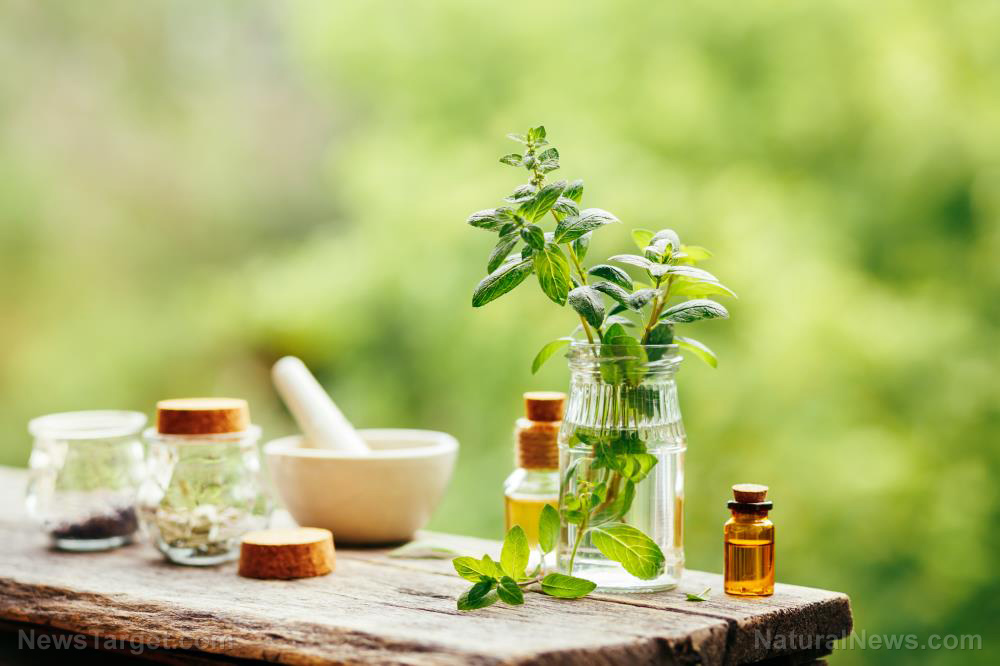
Peppermint contains bioactive substances, including menthol and flavonoids, compounds already known for their therapeutic properties. Menthol has been shown to relax smooth muscle tissue in blood vessel walls, allowing arteries to dilate and reduce pressure against vessel walls. This mechanism mirrors how some prescription blood pressure medications work but without the laundry list of side effects commonly associated with pharmaceutical interventions.
A cost-effective alternative to Big Pharma
Lead author Dr. Jonnie Sinclair, Reader in Sport and Health Sciences at the university, noted that high blood pressure remains one of the leading causes of heart disease and death worldwide, with treatment costs placing enormous burdens on healthcare systems. While medications are commonly prescribed, their long-term effectiveness remains uncertain and they frequently cause unwanted side effects that reduce patient compliance. Peppermint oil presents an inexpensive, well-tolerated option accessible to patients without requiring a prescription or insurance approval.
High blood pressure affects an estimated 1.28 billion adults worldwide, according to the World Health Organization. The condition rarely produces noticeable symptoms until significant damage has occurred, earning it the medical nickname “the silent killer.” Untreated hypertension increases risks for heart attack, stroke, kidney failure and vision loss. The condition disproportionately affects communities with limited access to healthcare, making natural, low-cost interventions particularly valuable for underserved populations.
Historical background: Natural medicine under attack
For centuries, herbal remedies, including peppermint, have been used across cultures for cardiovascular health. Ancient Greek, Roman and Chinese medical texts document the use of aromatic plants for circulatory disorders. However, the rise of the pharmaceutical industry in the twentieth century systematically marginalized these traditional approaches. Major medical institutions and government health agencies have historically dismissed botanical medicine, often without rigorous investigation. The publishing of this trial in a peer-reviewed journal represents a significant shift toward evidence-based validation of natural treatments.
The blood pressure reduction of 8.5 mmHg systolic achieved in this study is clinically meaningful. For patients with prehypertension, defined as systolic readings between 120 and 129 mmHg, such a reduction could prevent progression to full hypertension. For those already diagnosed with stage 1 hypertension, readings between 130 and 139 mmHg, the peppermint oil treatment could reduce or eliminate the need for prescription medications.
Comparison to existing treatments
Standard blood pressure medications, including ACE inhibitors, beta blockers and diuretics, typically reduce systolic blood pressure by 10 to 15 mmHg, but carry risks of side effects ranging from dizziness and fatigue to kidney damage and electrolyte imbalances. The peppermint oil treatment offers comparable benefits with virtually no reported adverse effects. Patients considering substituting or supplementing their current medications should consult healthcare providers before making changes.
The broader push against natural health solutions
The medical establishment has long resisted integrating botanical medicine into standard practice, often citing a lack of large-scale clinical trials. Yet this resistance appears selective, given that many pharmaceutical drugs were originally derived from plants. The financial incentives favoring patented synthetic drugs over natural substances cannot be ignored. Generic peppermint oil cannot generate billions in annual revenue, placing it outside the interest of major drug companies that influence medical guidelines and research funding priorities.
The double-blind design ensured neither participants nor researchers knew who received the active treatment versus placebo, eliminating bias. Measurements included comprehensive health markers beyond blood pressure, providing a holistic picture of peppermint oil’s effects. The 20-day treatment period captured both immediate and cumulative impacts of the intervention, strengthening the reliability of the findings.
If replicated in larger studies, these findings could reshape hypertension treatment guidelines worldwide. The low cost and wide availability of peppermint oil make it particularly suitable for low-resource healthcare settings where expensive medications remain inaccessible. Public health officials should take note of interventions that empower patients to manage their health without dependence on pharmaceutical corporations.
While the results are promising, the study involved only 40 participants and lasted less than one month. Larger trials with longer follow-up periods are necessary to confirm long-term safety and effectiveness.
A challenge to mainstream medical narratives
This study serves as yet another example of nature providing effective treatments that the pharmaceutical industry has ignored or suppressed. The American Heart Association and other major health organizations have consistently promoted drug-based approaches while offering minimal support for botanical research.
“Natural blood pressure treatments emphasize lifestyle adjustments such as adopting a balanced diet, reducing sodium intake and engaging in regular physical activity to support cardiovascular health,” said BrightU.AI‘s Enoch. “Additionally, managing stress through techniques like meditation and deep breathing, along with limiting alcohol and caffeine consumption, can help lower blood pressure naturally. These approaches often complement medical treatments and may reduce the need for medication when consistently applied under professional guidance.”
The University of Central Lancashire findings demonstrate that peppermint oil offers a simple, inexpensive and natural approach to lowering blood pressure for millions of people with mildly elevated readings. In an era when chronic disease management has become a profit center for the pharmaceutical industry, rediscovering the healing power of common plants represents both a medical breakthrough and a political statement.
Watch and learn about the health benefits of organic peppermint oil.
This video is from the Health Ranger Store channel on Brighteon.com.
Sources include:
Submit a correction >>
Tagged Under:
alternative medicine, essential oil, essential oils, health science, heart disease, heart health, herbal medicine, menthol, natural cures, natural health, natural medicine, Naturopathy, pain relief, peppermint, phytonutrients, plant medicine, remedies, research
This article may contain statements that reflect the opinion of the author
RECENT NEWS & ARTICLES